매설 인프라 문제 해결의 복잡성
사례 연구
Occupational awareness continues to grow around buried infrastructure damage-prevention and employee protection in the utilities and infrastructure market segments. Hydro excavation operations have grown tremendously as the primary means of addressing this problem and this trend is expected to continue. Further exponential growth in hydro excavation requirements will be required to address the following realities:
- Our aging infrastructure
- The ongoing population growth of urban centres and planned densification
- The maintenance requirements to sustain this growth
BUT, the increased utilization of hydro excavation to address these necessary and vital requirements creates an additional issue – what to do with the excessive wet waste slurry generated from these operations now contained in the vessel on the truck. The current methodology of filling the vacuum truck to it’s weight restrictions (already a complex calculation that may vary by axle weight, gross weight, municipality or seasonality) and then transporting that material to an approved receiving site to dump the material for treatment and then returning to the work site is extremely time consuming and very costly.
Operators can expect these costs to continue rising as a result of several factors including:
- Regulatory changes and enforcement have reduced load volume and weight so cost per cubic metre have escalated.
- Limited off-loading facilities and capacity in reasonable proximity to urban projects have led to supply deficit rate increases
- Cash strapped municipalities looking for alternative revenue streams and road maintenance cost offsets are hiring enforcement officers
- Wait times at approved disposal facilities have increased demurrage cost.
To further complicate the situation, it can be expected that some of the hydro-excavated material will be contaminated with residual elements from our industrial or ill-informed past practices, underground tank seepage or even road salt. Consequently, the soil needs to be characterized to avoid risk to the environment and human health.
Ideally the solution includes, maintaining the advantages of hydro-excavation’s safe and efficient underground utility exposure but eliminating the inefficient and costly transportation of wet waste slurry in vacuum excavation trucks to a limited number of expensive receiving sites.
Slurry solidification technology can help.
Uniquely designed equipment and environmentally-friendly reagent, will work together on-site or near-site to convert the excavated wet soil to a dry stackable material for transport using dump trucks. This efficient and effective process provides positive results for the project by:
- Reducing the number of trucks required to move this waste material by 2/3rds
- Improving the efficiency of hydro-excavation vacuum trucks by eliminating the need to drive to a disposal site every 4 cubic metres excavated
- Accounting for the soil excavated and its final resting place to mitigate risk
- Reducing green house gas emissions by 65%
- Reducing costs
Slurry solidification technology may not be a panacea for all projects but should be seriously considered as a component for projects addressing buried infrastructure.
소유자: Vale Canada Ltd.
계약자: Tervita Corp.
배포자: Di-Corp
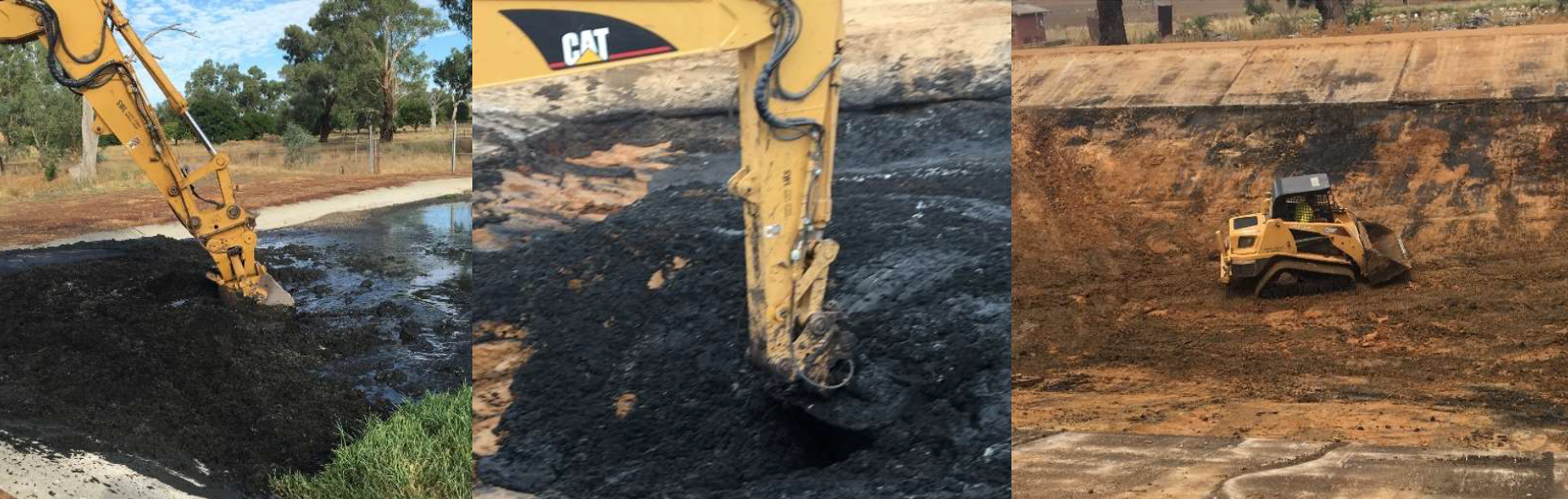
Vale는 캐나다 온타리오주 북부에 광산을 소유하고 운영하고 있습니다. 채굴 및 정제 활동을 통해 슬러지 폐기물 부산물이 발생합니다. 고객은 이 슬러지를 외부 매립지로 옮기기 위해 효율적인 굴착 및 운송 솔루션이 필요했습니다.
2018년 9월 말 - 2018년 10월 중순
입찰 과정에서 MetaFLO는 슬러지의 굴착 및 운송에 필요한 고형물 기준을 달성하기 위한 최적의 혼합 및 투입 비율을 제공하기 위해 참여했습니다. 메타플로에서는 분석 데이터를 사용하여 중량당 1.1%의 투입 비율을 추정했습니다(높은 수분 함량 기준). 버킷 혼합 과정에서 표면 접촉과 효율을 높이기 위해 대형 혼합 통을 사용하는 것이 좋습니다. 현재 샘플을 사용할 수 없습니다.
테르비타 코퍼레이션은 메타플로 시약을 사용하여 약 4,000㎥의 슬러지를 응고시켰습니다. 현장에 35m3 용량의 쓰레기통 2개를 설치하여 "무거운" 슬러지와 "가벼운" 슬러지를 혼합하여 적재했습니다. 실제 처리 시 슬러지 1㎥당 평균 약 30파운드의 MetaFLO MF006 시약이 사용되었기 때문에 원래 예상했던 투여량은 정확했습니다. 모든 물질은 Vale의 오프사이트 매립지로 안전하게 운송되었습니다. 작업은 제시간에 완료되었습니다.
 English
  Português do Brasil
  العربية
  Español
  Français
  Français du Canada
  Deutsch
  Italiano
  简体中文
简体中文  한국어
한국어  日本語
日本語  اردو
اردو  हिन्दी