
埋設インフラへの対応の複雑さ
ケーススタディ
Occupational awareness continues to grow around buried infrastructure damage-prevention and employee protection in the utilities and infrastructure market segments. Hydro excavation operations have grown tremendously as the primary means of addressing this problem and this trend is expected to continue. Further exponential growth in hydro excavation requirements will be required to address the following realities:
- Our aging infrastructure
- The ongoing population growth of urban centres and planned densification
- The maintenance requirements to sustain this growth
BUT, the increased utilization of hydro excavation to address these necessary and vital requirements creates an additional issue – what to do with the excessive wet waste slurry generated from these operations now contained in the vessel on the truck. The current methodology of filling the vacuum truck to it’s weight restrictions (already a complex calculation that may vary by axle weight, gross weight, municipality or seasonality) and then transporting that material to an approved receiving site to dump the material for treatment and then returning to the work site is extremely time consuming and very costly.
Operators can expect these costs to continue rising as a result of several factors including:
- Regulatory changes and enforcement have reduced load volume and weight so cost per cubic metre have escalated.
- Limited off-loading facilities and capacity in reasonable proximity to urban projects have led to supply deficit rate increases
- Cash strapped municipalities looking for alternative revenue streams and road maintenance cost offsets are hiring enforcement officers
- Wait times at approved disposal facilities have increased demurrage cost.
To further complicate the situation, it can be expected that some of the hydro-excavated material will be contaminated with residual elements from our industrial or ill-informed past practices, underground tank seepage or even road salt. Consequently, the soil needs to be characterized to avoid risk to the environment and human health.
Ideally the solution includes, maintaining the advantages of hydro-excavation’s safe and efficient underground utility exposure but eliminating the inefficient and costly transportation of wet waste slurry in vacuum excavation trucks to a limited number of expensive receiving sites.
Slurry solidification technology can help.
Uniquely designed equipment and environmentally-friendly reagent, will work together on-site or near-site to convert the excavated wet soil to a dry stackable material for transport using dump trucks. This efficient and effective process provides positive results for the project by:
- Reducing the number of trucks required to move this waste material by 2/3rds
- Improving the efficiency of hydro-excavation vacuum trucks by eliminating the need to drive to a disposal site every 4 cubic metres excavated
- Accounting for the soil excavated and its final resting place to mitigate risk
- Reducing green house gas emissions by 65%
- Reducing costs
Slurry solidification technology may not be a panacea for all projects but should be seriously considered as a component for projects addressing buried infrastructure.
オーナー ヴァーレ・カナダ・リミテッド
請負業者: テルヴィータ社
配給会社: ディ・コープ
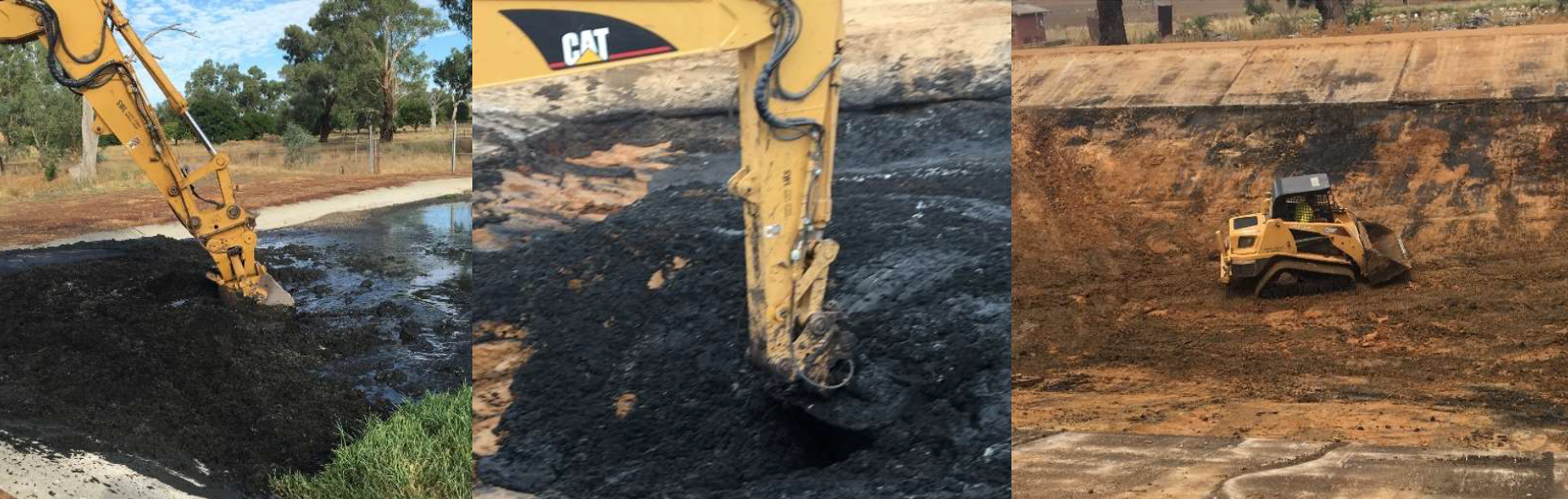
ヴァーレ社は、カナダのオンタリオ州北部で採掘場を所有・操業している。採掘と精錬活動を通じて、副産物として汚泥が発生する。顧客は、このスラッジをオフサイトの埋立地まで運搬するための効率的な掘削・運搬ソリューションを必要としていた。
2018年9月末~2018年10月中旬
入札の過程で、MetaFLOは汚泥の掘削と輸送に必要な固形分基準を達成するための最適な配合と添加率を提供するために契約した。分析データを用いて、MetaFLOは重量で1.1%の添加率を見積もった(高含水率に基づく)。バケット混合プロセスでの表面接触と効率を高めるため、大型混合ビンを推奨した。この時点ではサンプルは入手できなかった。
Tervita Corporationは、約4,000m3の汚泥を固化するためにMetaFLO試薬を使用した。現場には35m3のビンが2つ設置され、「重い」スラッジと「軽い」スラッジが混在して投入された。実際の処理では、汚泥1m3あたり平均約30ポンドのMetaFLO MF006試薬が投入されたため、当初見積もられた投入量は正確であった。すべての材料はValeのオフサイト埋立地に安全に輸送された。作業は予定通りに完了した。
 English
  Português do Brasil
  العربية
  Español
  Français
  Français du Canada
  Deutsch
  Italiano
  简体中文
简体中文  한국어
한국어  日本語
日本語  اردو
اردو  हिन्दी