
Gold Leaching
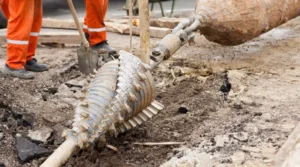
Liquid Hauling, Bulking Agents or On-Site Solidification: Which Route Makes Sense for Your Project?
Excavation may be complete, but the material it generates still needs somewhere to go. For hydro excavation, horizontal directional drilling (HDD) and tunneling contractors, managing wet spoils and slurry can become one of the most expensive and time-consuming parts of an operation. High moisture content, limited storage space, transportation requirements and disposal restrictions can turn…
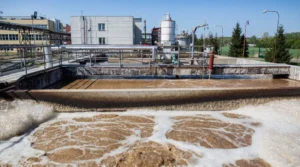
Optimizing Industrial Wastewater Treatment: The Role of Alkalinity Adjustment Chemicals in Process Efficiency
The selection of treatment chemicals plays an important role in the performance of industrial wastewater treatment processes and the day-to-day operation of treatment facilities. Among these chemicals, alkalinity adjustment agents help control pH and establish the chemical conditions required for various treatment reactions, including metal precipitation. Hydrated lime, caustic soda (sodium hydroxide), and other alkaline…
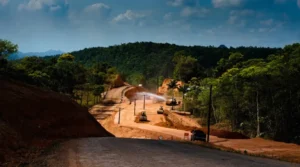
Sandy Soil Stabilization for Forestry Roads: Performance Under Traffic Loads of Up to 250 Tonnes
Forestry roads are among the most demanding components of the wood and pulp industry’s transportation infrastructure. Subjected to daily heavy vehicle traffic, these roads must maintain reliable operating conditions, even in areas with low-bearing-capacity soils and seasonal weather patterns alternating between dry periods and heavy rainfall. When road structures cannot withstand these conditions, problems such…
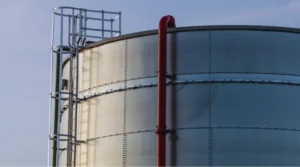
Gold Cyanidation: Optimizing Leaching in CIL and CIP Circuits
In cyanide leaching circuits, metallurgical recovery and reagent consumption depend on ore characteristics and the control of operating conditions. Variations in pH, the presence of cyanide-consuming metals, and surface passivation can affect extraction kinetics and the required residence time. At MetaFLO, we developed ExtracTech, a liquid seaweed-derived biopolymer designed for use in the gold leaching…
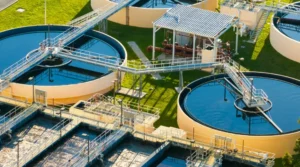
Operational Bottlenecks That Increase Industrial Wastewater Treatment Costs
Where Do the Biggest Industrial Wastewater Treatment Costs Come From? Industrial wastewater treatment plants must meet environmental requirements, maintain stable operations and manage operating expenses (OPEX). In sectors such as mining, metal processing, automotive manufacturing, tanning, and oil and gas, these challenges are compounded by variable wastewater streams and complex contaminants. Reducing chemical use is…
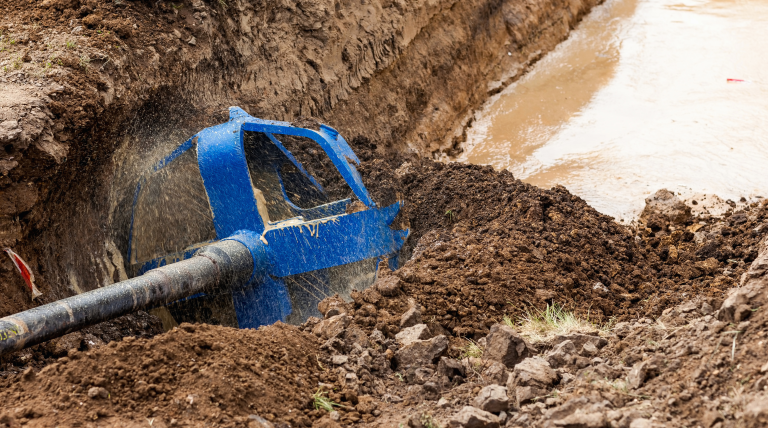
Your HDD Bore Is Finished. Your Drilling Fluid Problem Isn’t.
The bore is complete. The product pipe is in place. The drill string is out. The underground work is finished. But there may still be hundreds of cubic metres of drilling fluid, wet spoils or slurry on the surface. Until that material is managed, the job is not really finished. For HDD contractors, the work…
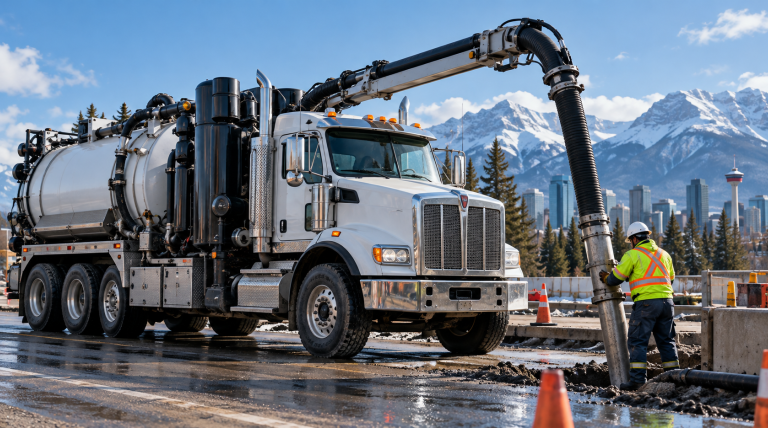
The Hidden Cost of Hauling Water: What Hydrovac Slurry Really Costs Your Operation
Your debris tank is full at 10 a.m. The nearest receiving facility is 90 minutes away. There may be a line at the gate. The excavation is only half done, but the hydrovac truck is about to spend the next three hours driving there and back before waiting time and unloading are even counted. The…
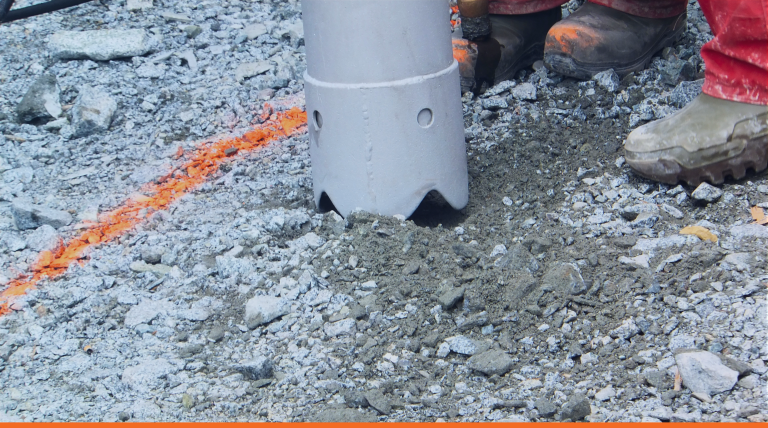
Stop Hauling Water: A Better Way to Manage Hydrovac Slurry
Your debris tank is full at 10 a.m. The nearest receiving facility is 90 minutes away. There may be a line at the gate. The excavation is only half done, but the hydrovac truck is about to spend the next three hours driving there and back before waiting time and unloading are even counted. For…
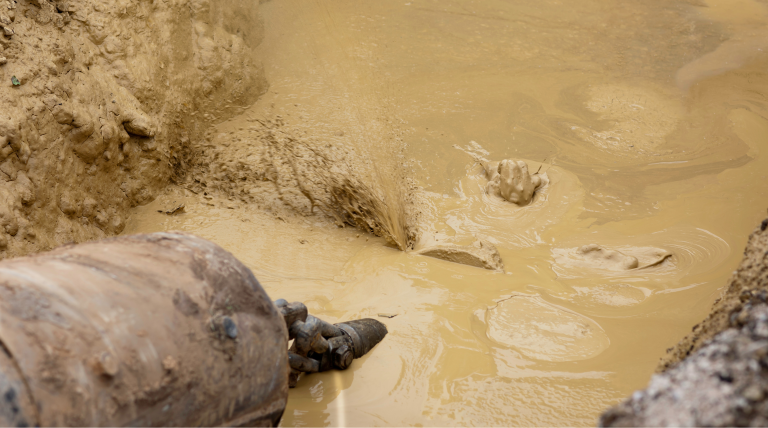
How Much Does It Cost to Transport HDD Waste and How Can Solidification Reduce That Cost?
In a Horizontal Directional Drilling (HDD) operation, costs do not stop when drilling advances. The drilling mud and returns generated during the project need to be stored, handled, transported, and properly disposed of. Depending on the volume produced, material characteristics, distance to the disposal facility, and local requirements, this process can represent a significant portion…

Dust Control for Unpaved Roads: Methods, Materials, and Best Practices
Dust is a common operational challenge on unpaved roads used in mining, construction, agriculture, forestry, and infrastructure projects. Heavy truck and equipment traffic can generate airborne particles, reduce visibility, increase road maintenance needs, and drive up water and operating costs. There are several ways to control dust on unpaved roads, from regular watering to dust…
 English
 Português do Brasil
 Español
 العربية
 Français
 Italiano