
Optimizing Industrial Wastewater Treatment: The Role of Alkalinity Adjustment Chemicals in Process Efficiency
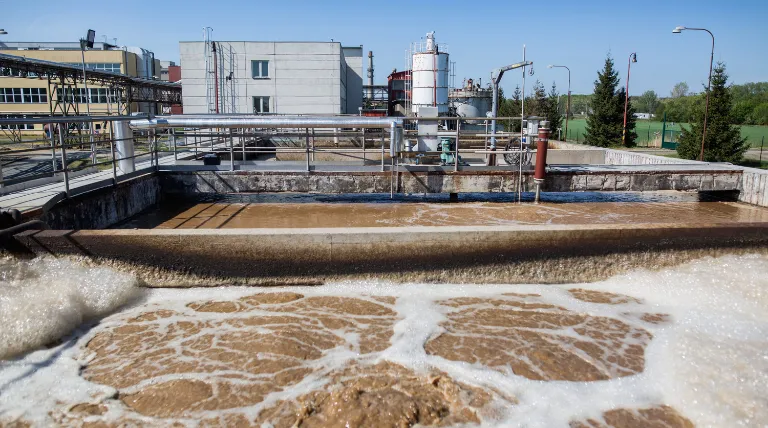
The selection of treatment chemicals plays an important role in the performance of industrial wastewater treatment processes and the day-to-day operation of treatment facilities.
Among these chemicals, alkalinity adjustment agents help control pH and establish the chemical conditions required for various treatment reactions, including metal precipitation.
Hydrated lime, caustic soda (sodium hydroxide), and other alkaline chemicals have long been used in industrial applications, as well as in municipal water and wastewater treatment. The appropriate choice depends on the characteristics of the water or wastewater being treated, treatment objectives, and the specific operating conditions of each facility.
However, meeting the required treatment parameters is only one part of the equation. Other factors also deserve consideration, including chemical consumption, preparation, dosing, storage, handling, and sludge generation.
Evaluating alternative technologies can reveal opportunities to improve treatment performance and simplify certain operational steps. In this context, new technologies, such as liquid biopolymers with alkalizing and oxidizing properties, offer another approach worth considering.
The Role of Alkalinity Adjustment Chemicals in Water and Wastewater Treatment
Alkalinity adjustment chemicals are used in water and wastewater treatment plants to raise or control pH, support chemical reactions, and establish suitable conditions for subsequent treatment stages.
In metal removal processes, for example, pH adjustment can promote the precipitation of certain contaminants, allowing them to be separated from the liquid phase.
The selection of a chemical and its required dosage depend on several factors, including water or wastewater composition, initial pH, contaminant concentrations, and process conditions.
Although conventional products such as hydrated lime and caustic soda are widely used, their physical and chemical properties should also be considered when evaluating overall process performance.
Key operational considerations include:
- Preparation and dosing: Depending on the chemical and feed system, preparation, dilution, or slurry handling may be required before application.
- Storage and handling: Each chemical has specific requirements for storage, transportation, and use.
- Operational safety: Chemical properties determine the necessary precautions, personal protective equipment (PPE), and safety procedures.
- Sludge generation: Treatment reactions can affect the volume and characteristics of the solids generated.
- Maintenance: The properties of chemicals and prepared solutions can influence equipment cleaning and maintenance requirements.
These factors highlight why alkalinity adjustment chemicals should be evaluated not only by their ability to achieve the target pH, but also by their contribution to overall treatment performance and industrial wastewater management.
Liquid Biopolymers as an Alternative to Conventional Alkalinity Adjustment Chemicals
The development of new wastewater treatment technologies creates opportunities to evaluate alternatives to chemicals traditionally used in industrial treatment processes.
One such option is the use of liquid biopolymers with alkalizing and oxidizing properties.
RemTech by MetaFLO is a liquid biopolymer developed for industrial wastewater treatment applications. Its technology combines alkalizing and oxidizing properties, making it an option to evaluate in processes where conventional alkalinity adjustment chemicals are currently used.
Its liquid formulation also offers a different approach compared with products supplied in solid form. Depending on the facility’s configuration and chemical feed systems, this may create opportunities to simplify certain preparation, storage, and dosing steps.
Another important consideration is how treatment chemistry affects solids formation. The selected chemical and the conditions under which reactions take place can influence sludge formation and characteristics, with potential implications for subsequent separation, dewatering, handling, and disposal.
The suitability of RemTech should be assessed based on wastewater composition, treatment objectives, required dosage, and the operating conditions of the application.
What Should You Consider When Selecting an Alkalinity Adjustment Chemical?
Comparing different treatment options requires looking at both chemical performance and the operational requirements associated with each product.
Important evaluation criteria include:
| Evaluation criteria | What to consider |
|---|---|
| Chemical performance | Ability to achieve the required pH and treatment targets |
| Preparation and dosing | Preparation requirements, dilution, and chemical feed complexity |
| Handling and safety | Safety procedures, occupational exposure, and required PPE |
| Storage | Conditions required for proper product storage and use |
| Generación de lodos | Volume and characteristics of the solids produced |
| Plant operations | Compatibility with existing equipment, infrastructure, and treatment stages |
| Chemical consumption | Quantity required to achieve the expected treatment performance |
| Total treatment cost | Product, application, operating, and residuals management costs |
A comprehensive assessment can reveal opportunities that may not be apparent when comparing products based solely on purchase price.
There is no single solution that works for every wastewater stream. Chemical selection should account for the characteristics of the water being treated, operating conditions, and results from comparative testing.
This broader assessment is also part of effective industrial wastewater management, where treatment performance, residuals generation, and operating costs need to be considered together.
Industrial Application: Results of Using RemTech as an Alternative to Hydrated Lime
A practical example of how chemical selection can affect treatment performance comes from an industrial application in which RemTech was used to replace hydrated lime.
The evaluation showed improvements across several process indicators:
- Up to 76% lower alkalinity adjustment chemical consumption;
- Up to 50% less sludge generated;
- 32.8% reduction in combined treatment and disposal costs.
These results illustrate how evaluating an alternative treatment technology can affect not only chemical consumption, but also the generation and management of treatment residuals.
For example, a reduction in sludge volume may influence subsequent separation, dewatering, storage, transportation, and disposal requirements, depending on the characteristics of the material generated.
These figures reflect results from a specific industrial application and should not be interpreted as guaranteed outcomes for every facility. Performance in other applications will depend on wastewater composition, treatment conditions, and chemical dosage.
Beyond pH Adjustment: Operational Considerations
Evaluating an alkalinity adjustment chemical means looking at the entire treatment process, not just the final pH achieved.
Selecting a product with different characteristics can have implications for several aspects of plant operations.
Chemical Consumption
The dosage required to achieve treatment targets is one of the main criteria for comparison. Actual chemical consumption should be evaluated under the specific conditions of each process.
Preparation, Storage, and Chemical Feed
A product’s physical form and properties influence receiving, storage, preparation, and dosing procedures. For example, a liquid formulation may offer an alternative to solid chemicals in certain applications, depending on the facility’s existing infrastructure and chemical feed systems.
Sludge Management
Treatment reactions influence the formation and characteristics of solids. It is therefore important to assess not only the amount of sludge generated, but also its behavior during separation and dewatering.
Operator Safety
Storage, preparation, and handling requirements should be assessed according to each product’s properties and safety documentation. Introducing a new treatment technology also requires reviewing applicable operating procedures and PPE requirements.
Overall Treatment Costs
Beyond the purchase price of the chemical, a comprehensive assessment should consider consumption, application, operating requirements, and residuals management. This broader perspective helps determine the overall economic impact of a treatment solution.
These considerations are relevant not only to industrial wastewater treatment, but also to broader industrial waste treatment strategies involving the management of residuals generated during treatment operations.
Conclusion: Chemical Selection Matters in Water and Wastewater Treatment
Selecting chemicals for industrial wastewater treatment involves more than achieving the required pH. Chemical consumption, application requirements, sludge generation, and associated operating costs are also important considerations.
Evaluating alternatives to conventional alkalinity adjustment chemicals can create opportunities to improve different stages of the treatment process and identify solutions better suited to a facility’s specific needs.
RemTech by MetaFLO offers an alternative technology for industrial applications looking to evaluate new approaches to wastewater treatment. It combines alkalizing and oxidizing properties in a single liquid formulation.
Interested in evaluating an alternative to the chemicals currently used in your treatment process?
Contact the MetaFLO team to learn more about RemTech and explore its potential application through jar testing tailored to your wastewater characteristics.
Preguntas frecuentes
1. What factors should be considered when selecting an alkalinity adjustment chemical for water and wastewater treatment?
In addition to pH adjustment performance, important factors include chemical consumption, dosage, preparation, storage, handling, sludge generation, and compatibility with the existing treatment process.
2. What is RemTech, and how is it used in industrial wastewater treatment?
RemTech is a liquid biopolymer develod xed by MetaFLO with alkalizing and oxidizing properties for industrial wastewater treatment applications.
3. How can I determine whether RemTech is suitable for my wastewater?
Jar testing can be used to evaluate product performance on wastewater samples, compare dosages, and assess parameters such as pH, settling characteristics, sludge generation, and treated water quality. This evaluation helps determine the technology’s potential for a specific application.
 English
 Português do Brasil
 Español
 العربية
 Français
 Italiano